



Before your resume lands in front of a hiring manager, it has to pass through an applicant tracking system (ATS). This is software that employers use to scan, sort, and filter applications based on specific criteria before a human ever lays eyes on them.
Studies suggest that as many as 75% of resumes are rejected by ATS before they reach the hiring manager. That means three out of four applicants are being eliminated, not because they are unqualified, but because their resume was not structured in a way the system could read.
Understanding how ATS works and how to format your resume around it is no longer optional. It is the difference between being seen and being filtered out.
Tip 1: Keep Your Formatting Clean and Simple
ATS software is not designed to admire a beautiful resume. It is designed to extract information quickly and efficiently, and anything that gets in the way of that extraction works against you.
Resumes that rely heavily on graphics, tables, text boxes, columns, or decorative design elements are difficult for ATS to parse correctly. When the system cannot read your resume cleanly, it either misreads your information or skips it entirely, and neither outcome serves you.
Tip 2: Use the Right Keywords
ATS systems are programmed to scan your resume for specific keywords that match the job description. If those keywords are not present, your resume may be filtered out regardless of how qualified you are. This is why tailoring your resume for each position you apply to is not just a best practice, it is a necessity.
Read the job description carefully and identify the specific skills, qualifications, and terminology the employer used. Then make sure those exact words appear naturally throughout your resume in your summary, your work experience, and your skills section.
Tip 3: Use Standard Job Titles and Section Headers
One of the most overlooked ATS mistakes is using creative or unconventional job titles and section headers. ATS systems are built to recognize standard industry language.
If your resume lists your experience under a header like "Where I Have Been" instead of "Work Experience," the system may not recognize it as a legitimate section and skip it entirely.
Your Resume Deserves More Than a Fighting Chance.
Knowing these tips is a strong start, but applying them correctly to your own resume is where most job seekers get stuck. The formatting has to be right. The keywords have to be strategic. And the overall presentation has to be polished enough to impress the human who reads it after the ATS lets it through.
That is exactly what our Resume Bundle was built for. It includes three ATS-friendly resume templates designed to move through applicant tracking systems cleanly without sacrificing a polished, professional look. And if you want to go deeper, Beating the ATS is a 29-page eBook that breaks down exactly how ATS software works, what triggers a rejection, and how to format, keyword, and position your resume to land on the other side.
Your next opportunity is waiting. Make sure your resume is ready to meet it.
Get the Resume Bundle and Beating the ATS here below!
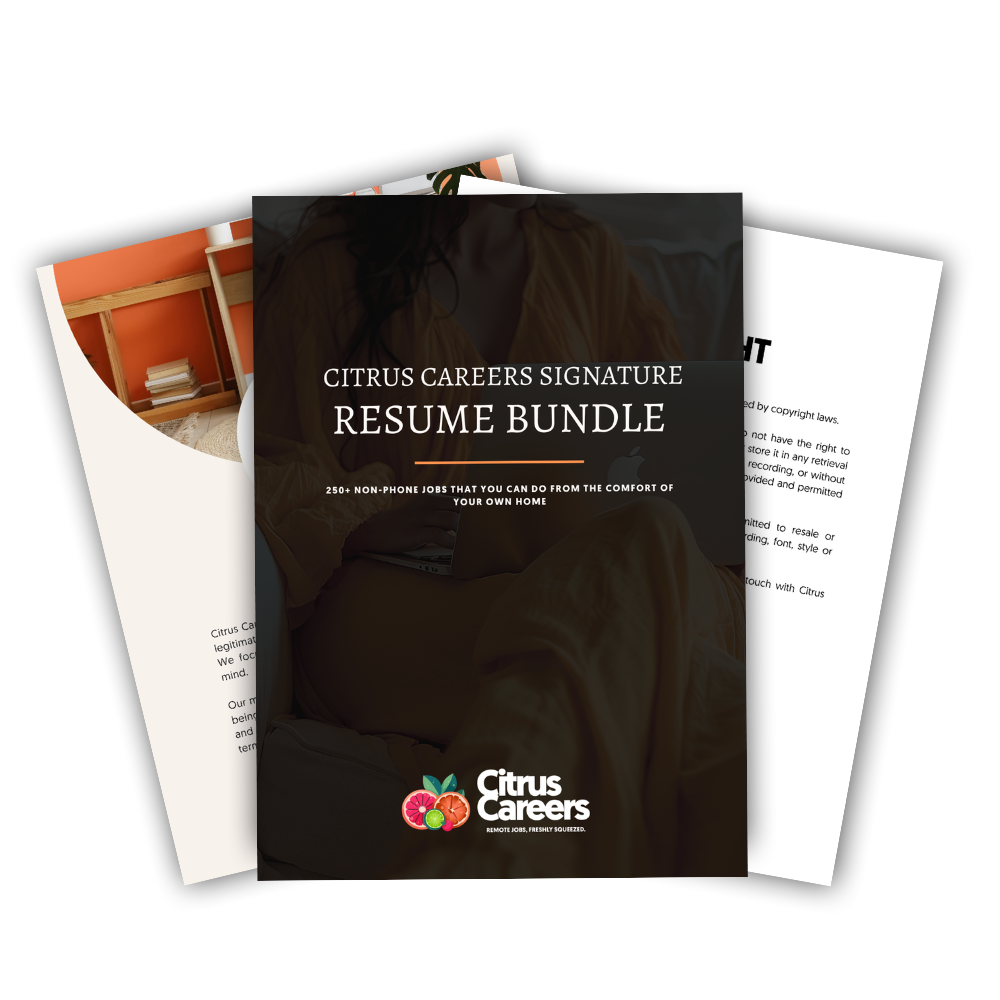
Resume Bundle | Templates and ATS eGuide
Your experience is not the problem. You're qualified, but the system filtering it out is.